
Benzodiazepines like Xanax, Klonopin, Valium, and Ativan are prescribed to millions of people for anxiety, panic attacks, and insomnia. They work quickly and can feel like a lifeline. But over time, many people find they need more to get the same relief, or that they feel worse every time a dose wears off. When that happens, the natural instinct is to want to stop, and to stop right now.
Can you quit benzodiazepines cold turkey? No. Stopping benzodiazepines suddenly, or cutting the dose too quickly, can cause severe withdrawal symptoms, including dangerous spikes in heart rate and blood pressure, intense rebound anxiety, and seizures that can be life-threatening. The safest way to stop is a gradual, medically supervised taper that slowly lowers the dose while a healthcare team monitors your symptoms and adjusts the plan as needed.
This guide explains why benzo withdrawal is so risky, what to expect during a taper, and how California Care Recovery in Mission Viejo helps people come off benzodiazepines safely.
Why Is Quitting Benzodiazepines Cold Turkey Dangerous?

To understand why benzo withdrawal is risky, it helps to understand what these medications do in the brain.
How Benzodiazepines Affect the Brain
Benzodiazepines enhance GABA, the brain’s main calming chemical messenger. GABA slows down nerve activity, which is why benzos reduce anxiety, relax muscles, and help with sleep. With regular use, the brain adapts by reducing its own sensitivity to GABA. In other words, it starts relying on the medication to stay calm.
What Happens When Benzos Stop Suddenly
When benzodiazepines are removed abruptly, the brain is left without the calming effect it has come to depend on. The result is a rebound of nervous system activity. Instead of being slowed down, the central nervous system becomes overexcited, which can trigger anxiety, panic, insomnia, tremors, a racing heart, and in the most serious cases, seizures.
The U.S. Food and Drug Administration has warned about this risk directly. In 2020, the FDA required updated Boxed Warnings for all benzodiazepines, noting that physical dependence can develop even when the medication is taken as prescribed, and that stopping abruptly or reducing the dose too quickly can cause serious, potentially life-threatening withdrawal reactions.
Dependence Isn’t the Same as Addiction
It’s important to know that physical dependence can happen to anyone who takes benzodiazepines regularly, even exactly as prescribed. Dependence means your body has adapted to the medication. Addiction involves compulsive use despite harm. Both situations call for a careful, supervised taper, and neither is a sign of personal weakness.
What Does a Nurse Tell Clients Who Want to Quit Cold Turkey?
We asked Susan Lodin, LVN, a nurse at California Care Recovery: What do you tell a client who wants to just quit benzodiazepines cold turkey instead of tapering?
“Abruptly stopping a benzodiazepine can lead to serious or fatal consequences. Stopping a medication such as Xanax, a benzodiazepine, causes our CNS (central nervous system) to go into a shock ‘state.’ Our cardiovascular system spikes, causing our body to go into a ‘fight or flight’ response, which begins to affect our vital signs. That is why it is always recommended to taper properly with a healthcare professional to ensure patient safety.”
— Susan Lodin, LVN, California Care Recovery
What Are the Symptoms of Benzodiazepine Withdrawal?
Withdrawal symptoms vary depending on the medication, dose, length of use, and overall health. Common symptoms include:
- Rebound anxiety and panic attacks
- Insomnia and disturbed sleep
- Irritability and restlessness
- Tremors, shaking, and muscle tension
- Sweating, racing heart, and elevated blood pressure
- Sensitivity to light, sound, or touch
- Trouble concentrating
- Seizures, in severe cases
How Long Does Benzo Withdrawal Last?
With short-acting benzodiazepines like Xanax, symptoms can begin within a day of the last dose. With longer-acting benzos like Valium or Klonopin, they may take several days to appear. During a supervised taper, many people experience a general pattern:
- Day 1: Assessment and a personalized taper plan, often with rising worry or trouble sleeping
- Days 1–4: Early withdrawal, such as rebound anxiety, insomnia, restlessness, and irritability
- Days 5–14: Peak symptoms, which may include panic, poor sleep, muscle tension, and sensory sensitivity
- Weeks 2–4: Stabilization as symptoms gradually ease
- Week 4 and beyond: Steadier mood and sleep, though some people have lingering symptoms for weeks or months
This is only a general guide. Some people need a much longer taper, and progress isn’t always a straight line.
What Does a Safe Benzodiazepine Taper Look Like?
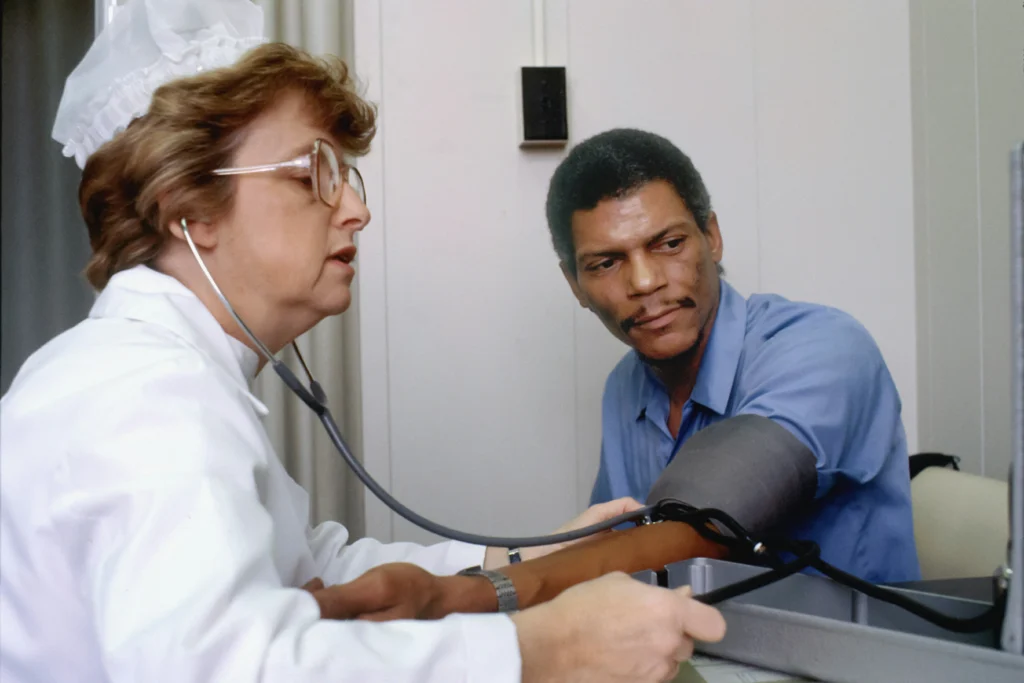
A safe taper is slow, personalized, and supervised. In 2025, the American Society of Addiction Medicine and nine other medical organizations released a joint clinical practice guideline on benzodiazepine tapering. It recommends shared decision-making between clinicians and patients, starting slowly, and adjusting the pace based on how each person responds.
A Personalized Plan
The right taper depends on which benzodiazepine you take, your dose, how long you’ve been taking it, your age and health, and whether you use alcohol or other substances. A medical provider reviews all of these factors before creating a plan.
Gradual Dose Reductions
Rather than stopping all at once, the dose is lowered in small steps over time. Some providers may switch a short-acting benzo like Xanax to a longer-acting one, which can make withdrawal smoother. The pace can be slowed or paused if symptoms become too difficult.
Monitoring and Support
Throughout the taper, clinicians watch vital signs, sleep, mood, and withdrawal symptoms. Supportive care, comfort measures, and therapy help people manage discomfort without returning to the medication.
Treating the Reason You Started
Many people began taking benzodiazepines for real problems like anxiety, panic attacks, trauma, or insomnia. Tapering without addressing those conditions can leave you feeling unprotected. Effective treatment includes new tools for managing anxiety and sleep, such as therapy, mindfulness, and non-addictive medications when appropriate.
When Is Inpatient or Residential Care Needed?
The ASAM guideline notes that residential or inpatient treatment may be necessary for people with a substance use disorder who are unlikely to taper safely as outpatients. A higher level of care is often recommended if you take high doses, combine benzos with alcohol or opioids, have a history of withdrawal seizures, or have tried to taper on your own without success.
Safe Benzo Tapering at California Care Recovery in Mission Viejo
At California Care Recovery, our Xanax and benzo addiction treatment program combines a medically supervised taper with therapy and psychiatric care, so you can come off benzodiazepines safely and treat the anxiety or sleep problems underneath. Our program is medically reviewed by Dr. R. Jordan Turner, DO, a board-certified psychiatrist and addiction medicine specialist.
Medically Supervised Detox With 24/7 Monitoring
Treatment begins in our medically supervised detox center in Mission Viejo, where you receive a full medical and psychiatric assessment, a review of your dose and history, and a personalized taper plan. Nurses and medical staff, like Susan Lodin, LVN, monitor you around the clock, adjust your taper as needed, and provide comfort measures through the hardest days.
Treating the Anxiety Behind the Dependence
Because benzo dependence often starts with real struggles, our dual diagnosis treatment addresses co-occurring conditions at the same time. Clients can receive care through our anxiety treatment program, individual therapy, and evidence-based approaches that build non-medication coping skills for anxiety, panic, and sleep.
Continued Support After Detox
As symptoms ease, clients can transition into residential care, outpatient programs like our mental health IOP, and our alumni program, so recovery stays strong long after the taper is complete. We also offer insurance verification to help you understand your coverage before you begin.
Frequently Asked Questions
Can quitting Xanax cold turkey cause seizures?
Yes. Stopping Xanax or any benzodiazepine suddenly can cause seizures, which can be life-threatening. The risk is higher with high doses, long-term use, and short-acting benzos like Xanax. A supervised taper significantly reduces this risk.
How long does it take to taper off benzodiazepines?
It varies. Some people taper over several weeks, while others, especially after long-term or high-dose use, may need months. A slow, flexible pace guided by a medical provider is usually safer and more comfortable.
Can I taper off benzos at home?
Some people can taper at home under close medical supervision. Others, especially those taking high doses, combining benzos with alcohol or opioids, or with a history of seizures, may need medically supervised detox in a residential setting.
What helps with anxiety after stopping benzodiazepines?
Therapy, mindfulness, regular exercise, consistent sleep routines, and non-addictive medications prescribed by a psychiatrist can all help. Treating anxiety directly is key to staying off benzodiazepines long-term.
Is benzo dependence the same as addiction?
No. Physical dependence can develop even when benzodiazepines are taken exactly as prescribed. Addiction involves compulsive use despite harm. Both require a careful, supervised taper.
Stop Benzodiazepines Safely, Not Suddenly
You don’t have to choose between staying on benzodiazepines and risking dangerous withdrawal on your own. Contact California Care Recovery today to learn how our medically supervised benzo taper and detox in Mission Viejo can help you come off safely and treat the anxiety underneath.


