Dual Diagnosis Treatment in Orange County, CA | Co-Occurring Disorders | California Care Recovery
Orange County, California

Dual Diagnosis Treatment in Orange County, CA

California Care Recovery provides integrated treatment for co-occurring mental health and substance use disorders — addressing both conditions simultaneously, with one clinical team, from day one.

Open 24/7 Same-Day Admissions Joint Commission Accredited ASAM Level 3.7 — CARF Most Insurance Accepted
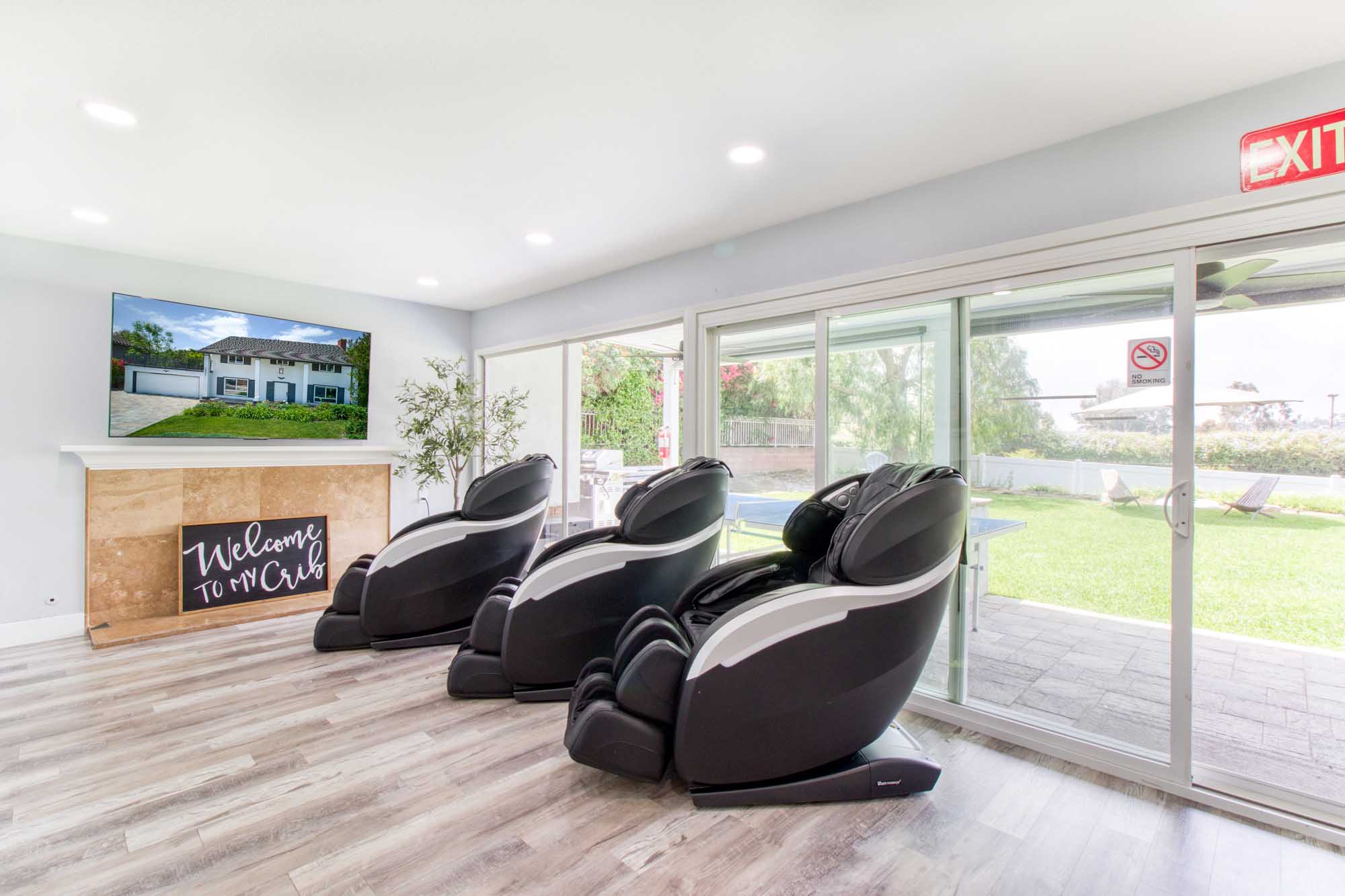
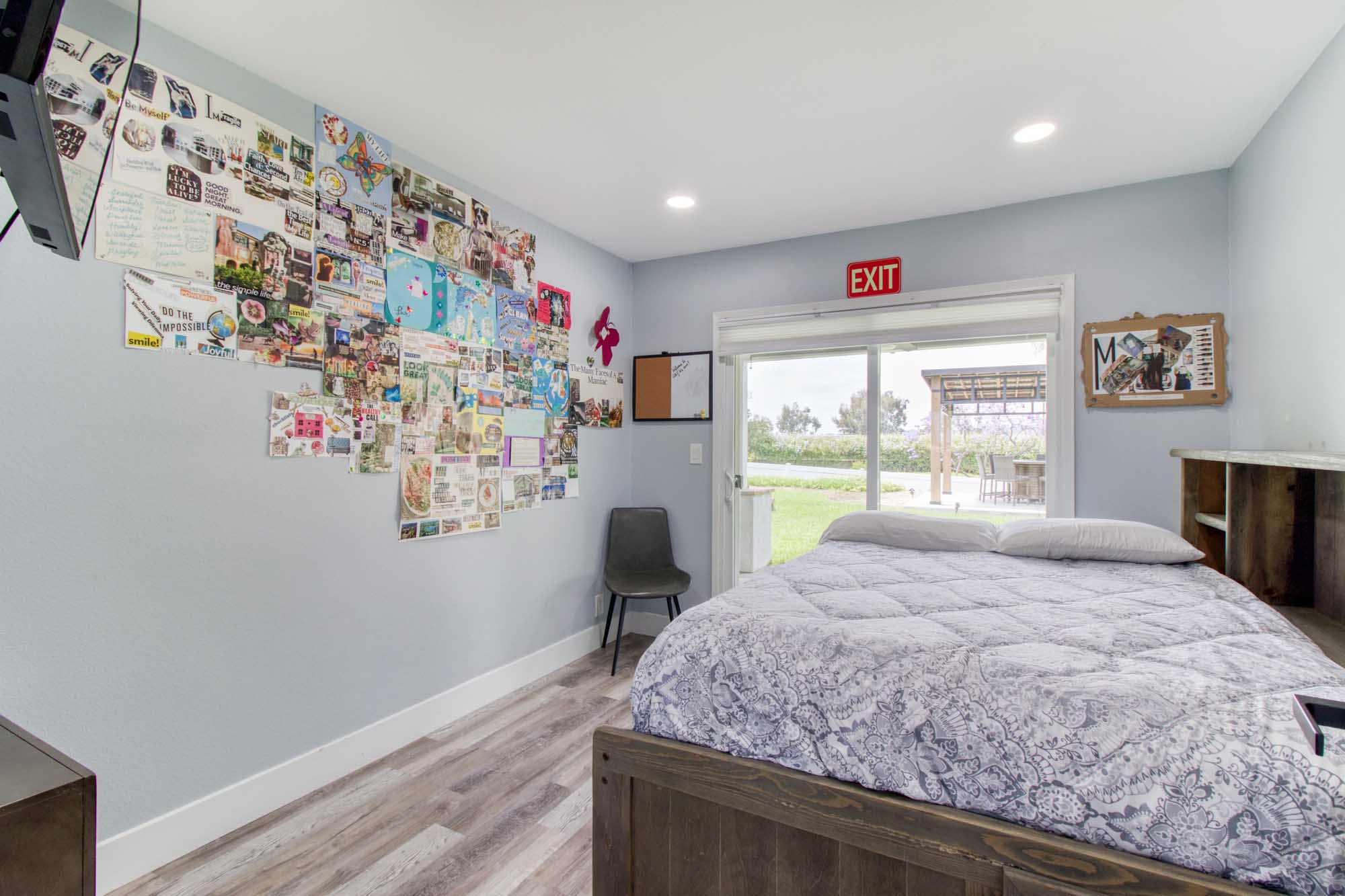
California Care Recovery treatment facility — dual diagnosis and co-occurring disorder treatment in Orange County, CA
Why Integrated Care Matters
21.5M
U.S. adults have co-occurring substance use & mental illness
SAMHSA, 2023
50%
of people with SUD also have a mental health condition
NIDA, 2023
7%
receive treatment addressing both conditions at once
SAMHSA, 2022
Understanding the Diagnosis

What Is Dual Diagnosis? Understanding Co-Occurring Disorders

Dual diagnosis — also called co-occurring disorders — is the clinical term for when a person experiences both a mental health condition and a substance use disorder simultaneously. These are not two separate problems. They are one interconnected condition that requires one unified treatment plan.

Dual Diagnosis vs. Co-Occurring Disorders: Is There a Difference?

Dual diagnosis and co-occurring disorders are two clinical terms for the exact same thing. You may also see "comorbidity" in research literature. All three describe the simultaneous presence of at least one mental health disorder and at least one substance use disorder in the same person.

Many people search for "dual diagnosis treatment" while others search for "co-occurring disorder treatment." Both are seeking the same care — and at California Care Recovery, we provide it across our South Orange County facilities.

Why Do Mental Health and Addiction So Often Co-Occur?

According to NIDA, co-occurring disorders are so prevalent because mental illness and addiction share overlapping genetic risk factors, similar neurological pathways, and a bidirectional relationship where each condition worsens the other.

A person with untreated anxiety may begin using alcohol to quiet their nervous system. Over time the brain's natural anxiety regulation deteriorates — the anxiety intensifies — and drinking escalates to compensate. Without treating the anxiety alongside the alcohol use disorder, the cycle doesn't break regardless of how many detox programs are completed.

Which Conditions Commonly Co-Occur?

  • Depression and alcohol use disorder
  • PTSD and opioid use disorder
  • Anxiety disorders and benzodiazepine dependence
  • Bipolar disorder and stimulant use disorder
  • Borderline Personality Disorder (BPD) and polysubstance use
  • Trauma and polysubstance dependence

Explore Co-Occurring Conditions
NIDA Research Finding
"Substance use disorders and mental illness often co-occur because drugs of abuse can cause lasting changes in brain structure and function — in many of the same areas disrupted in mental health disorders."
National Institute on Drug Abuse (NIDA)

It feeds itselfUntreated mental health symptoms drive substance use. Unaddressed substance use worsens mental health. The cycle only breaks when both are treated simultaneously.
It's neurologicalBoth conditions affect the same reward and stress-regulation pathways in the brain — treatment must address both at the neurological and behavioral level.
It's frequently missedMany facilities treat only one condition — leaving the underlying driver unresolved and recovery incomplete.
Integration is the standardResearch consistently shows that treating co-occurring disorders simultaneously produces significantly better long-term outcomes.
21.5M
U.S. adults have co-occurring substance use and mental illness each year
SAMHSA, 2023
50%
of people in substance use treatment also have a mental health condition
NIDA, 2023
2x
People with mental illness are twice as likely to develop a substance use disorder
National Institute on Drug Abuse (NIDA)
Co-Occurring Disorders We Treat

Common Dual Diagnosis Combinations Treated at Our Orange County Facility

Co-occurring disorders present differently for every person. These are the most common dual diagnosis pairings we treat at California Care Recovery. Select any card for clinical detail on how we approach integrated treatment for each combination.

Alcohol Use+Depression
Alcohol Use Disorder & Depression
One of the most prevalent co-occurring disorder combinations — each condition directly worsening the other in a self-reinforcing cycle.

Many individuals begin drinking heavily to manage depressive symptoms — seeking temporary relief or emotional numbing. But alcohol is a CNS depressant that worsens depression over time. Without treating the underlying depression alongside alcohol use disorder, the cycle persists.

Our dual diagnosis program addresses both through integrated psychiatric evaluation, individual therapy, CBT, and medication management.

33% of people with major depression have a co-occurring alcohol use disorder. (NCBI)
Opioids+PTSD
Opioid Use Disorder & PTSD
Trauma survivors frequently turn to opioids to manage the hyperarousal, intrusive memories, and emotional dysregulation that define PTSD.

PTSD creates persistent neurological hyperarousal. Opioids temporarily interrupt this, which is why opioid use disorder is among the most common co-occurring conditions in trauma survivors. Effective treatment must address trauma directly — through EMDR and trauma-informed care — alongside medically supervised addiction treatment.

Up to 50% of individuals in SUD treatment also meet criteria for PTSD. (NIDA)
Benzos+Anxiety
Benzo Dependence & Anxiety Disorders
Often beginning with a legitimate prescription, benzodiazepine dependence and anxiety disorders escalate into a complex co-occurring disorder.

Over time benzo use suppresses the brain's natural anxiety regulation, producing tolerance and dependence. Rebound anxiety — stronger than the original baseline — drives increasing use. Medical detox requires careful clinical management while the underlying anxiety disorder is simultaneously addressed.

44.8% of people with GAD have a lifetime substance use disorder. (ADAA)
Stimulants+Bipolar
Stimulant Use & Bipolar Disorder
Bipolar's manic highs often mirror stimulant intoxication — making accurate dual diagnosis especially complex.

During depressive phases, stimulants provide temporary energy and euphoria. During manic phases, stimulant use may go undetected as behavior mirrors natural mania. Accurate co-occurring disorder diagnosis requires careful clinical evaluation following medically supervised sobriety.

56% of people with bipolar disorder have a lifetime substance use disorder. (NCBI)
Substances+BPD
Substance Use & Borderline Personality Disorder
Emotional dysregulation — the hallmark of BPD — frequently drives impulsive substance use as a short-term coping mechanism.

BPD involves extreme emotional sensitivity and difficulty regulating rapidly shifting feelings. Substances become the most accessible coping tool. DBT (Dialectical Behavior Therapy) is the evidence-based standard for BPD and integrates powerfully with addiction treatment — providing healthy tools for emotional regulation.

78% of individuals with BPD meet criteria for a SUD at some point. (Journal of Personality Disorders)
Polysubstance+Trauma
Polysubstance Use & Unresolved Trauma
When trauma goes untreated, individuals often cycle through multiple substances seeking relief from symptoms through whatever is available.

Many individuals presenting with polysubstance use are managing unresolved trauma or PTSD. The substances may change, but the underlying driver remains constant. Treating this co-occurring disorder requires comprehensive medical detox, trauma-focused psychotherapy, and an integrated dual diagnosis program that can address multiple presentations simultaneously.

1 in 3 adults in SUD treatment have experienced significant childhood trauma. (SAMHSA)
Why Integration Matters

Treating One Condition vs. Treating Both Together

Most facilities treat addiction and mental health in separate silos — or focus on only one. Here's what that difference looks like in practice.

Outcome Area
Single-Condition TreatmentTreating only addiction or only mental health
Integrated Dual Diagnosis TreatmentCalifornia Care Recovery's approach
Root Cause
NoOne condition is addressed while the other continues to drive the cycle
YesBoth conditions identified and treated simultaneously from day one
Relapse Risk
NoHigh — untreated mental health symptoms become a primary relapse trigger
YesSignificantly reduced — both triggers are addressed before discharge
Clinical Team
NoSeparate therapists and psychiatrists with no shared treatment plan
YesOne unified clinical team — addiction specialists and mental health clinicians working together
Treatment Plan
NoFragmented — one plan for addiction, a separate plan for mental health
YesSingle integrated plan addressing both conditions with shared goals
Long-Term Outcomes
NoLower — research shows higher rates of relapse and re-hospitalization
YesSignificantly better — integrated treatment is the evidence-based standard of care
Medication Management
NoPsychiatric medications often withheld or uncoordinated with addiction treatment
YesCarefully coordinated psychiatric medication management integrated with addiction care
Recognizing the Signs

Signs You or a Loved One May Have a Dual Diagnosis or Co-Occurring Disorder

Many people living with co-occurring disorders have been treated for only one condition and can't understand why lasting recovery has felt out of reach. These are the most common indicators that integrated dual diagnosis treatment may be appropriate.

  • 1
    Substances used to manage emotionsUsing alcohol, drugs, or medications specifically to manage anxiety, low mood, trauma, or emotional pain rather than socially or recreationally.
  • 2
    Mental health symptoms persist during sobrietyExperiencing depression, anxiety, mood swings, or trauma symptoms even during periods of sobriety — confirming the mental health condition exists independently.
  • 3
    Prior treatment without lasting resultsHaving completed mental health or addiction programs without lasting recovery — often because only one of two co-occurring conditions was addressed.
  • 4
    Substance use escalates with mental health episodesSubstance use worsening consistently during periods of depression, anxiety, mania, or PTSD symptom flares.
  • 5
    Family history of both conditionsFirst-degree relatives with both diagnosed mental health disorders and substance use disorders — a significant genetic risk indicator for co-occurring conditions.
  • 6
    Inability to function without substancesFinding it genuinely impossible — not just difficult — to manage daily life, work, or relationships without alcohol or other substances.

Not Sure If This Applies?

A comprehensive dual diagnosis assessment is the only accurate way to determine whether co-occurring conditions are at the root of your experience. Our Orange County clinical team evaluates your full mental health and substance use history — and gives you a complete picture of what's actually driving the cycle.

California Care Recovery is open 24/7. Same-day admissions available.

Our Integrated Approach

How Our Dual Diagnosis Treatment Program Works in Orange County

Most programs treat addiction and mental health in separate silos. At California Care Recovery, co-occurring disorder treatment is integrated from day one — one clinical team, one unified plan, one clear path forward.

01
Comprehensive Dual Diagnosis Assessment
Full clinical evaluation of mental health history, substance use, trauma, and current symptoms — identifying all co-occurring conditions before treatment begins.
02
Medical Detox & Stabilization
24/7 nursing-supervised withdrawal management with medication-assisted protocols — safe, comfortable detox across all substance presentations.
03
Integrated Co-Occurring Disorder Treatment
Simultaneous psychiatric care, individual therapy, group programming, and evidence-based modalities — CBT, DBT, EMDR, trauma-informed care — in one unified plan.
04
Relapse Prevention & Skills Building
Coping tools, emotional regulation, and relapse prevention strategies addressing both the mental health and addiction dimensions of your co-occurring disorder.
05
Continuing Care & Alumni Support
Step-down to outpatient or IOP, ongoing medication management, alumni programming, and community connection for sustained dual diagnosis recovery.

Programs from 7 to 90 days. Residential, detox, and outpatient levels of care across South Orange County. Most major insurance accepted.

Speak With Admissions — Open 24/7
Choosing the Right Program

What to Look for in a Dual Diagnosis Treatment Center in Orange County

Not all treatment centers are equipped to handle co-occurring disorders. These are the clinical markers that separate a true dual diagnosis program from a facility that simply treats addiction alone.

OK
Formal Dual Diagnosis Assessment at Intake
A qualified center will conduct a comprehensive psychiatric evaluation before treatment begins — not just a substance use screening.
CCR - conducts full dual diagnosis assessments at intake
OK
Integrated Clinical Team
Look for addiction specialists and licensed mental health clinicians working together — not in separate departments with separate plans.
One unified clinical team from day one
OK
On-Site Psychiatric Care
Co-occurring disorders often require medication management. A qualified dual diagnosis center will have licensed psychiatrists on staff — not referral-only.
On-site psychiatric evaluation and medication management
OK
Evidence-Based Modalities for Both Conditions
CBT, DBT, EMDR, and trauma-informed care should be available and integrated — not offered as optional add-ons.
Full evidence-based therapy suite integrated into treatment
OK
Medical Detox Capability On-Site
Many co-occurring disorders involve substances that require medically supervised withdrawal. A true dual diagnosis center handles this on-site with 24/7 nursing.
On-site medical detox with 24/7 nursing
OK
Accreditation and State Licensure
Joint Commission accreditation, CARF certification, and DHCS licensure confirm a facility meets rigorous clinical and operational standards.
Joint Commission, CARF ASAM 3.7, DHCS, SAMHSA listed
OK
Step-Down and Aftercare Planning
Recovery doesn't end at discharge. A qualified dual diagnosis program builds step-down and continuing care planning into treatment from the start.
Aftercare and alumni support included for all clients
OK
Transparent Insurance Verification
A reputable center will verify your insurance benefits accurately and quickly — without pressure tactics or vague coverage estimates.
Same-day insurance verification — call (949) 281-7823
Why California Care Recovery

Orange County's Trusted Dual Diagnosis Treatment Provider

Our dual diagnosis program is backed by rigorous clinical standards, meaningful accreditations, and a team that is here around the clock.

JC
Joint Commission Accredited
The gold standard of healthcare accreditation — confirming our clinical quality, safety, and operational standards meet the highest national benchmarks.
CARF
CARF Certified — ASAM Level 3.7
CARF accreditation at ASAM Level 3.7 confirms we provide clinically managed high-intensity residential services — the appropriate level for complex dual diagnosis presentations.
DHCS
DHCS Licensed & SAMHSA Listed
Licensed by the California Department of Health Care Services and listed as a verified SAMHSA provider — meeting all state and federal standards for behavioral health treatment.
24/7
24/7 Onsite Nursing
Our residential facilities have licensed nursing staff on-site around the clock — critical for medically supervised detox and dual diagnosis stabilization.
OC
Multiple South OC Locations
Residential and outpatient facilities in San Juan Capistrano, Mission Viejo, and Laguna Hills — serving all of Orange County with same-day admissions available.
Adm
Same-Day Admissions
We understand urgency. Our admissions team is available 24/7 and can typically complete intake within hours of your first call — for both detox and residential programs.
Joint Commission Accredited
CARF — ASAM Level 3.7
DHCS Licensed
SAMHSA Listed Provider
NAATP Member
LegitScript Certified
Open 24 / 7
Same-Day Admissions
24/7 Onsite Nursing
Joint Commission Accredited
CARF — ASAM Level 3.7
DHCS Licensed
SAMHSA Listed Provider
NAATP Member
LegitScript Certified
Open 24 / 7
Same-Day Admissions
24/7 Onsite Nursing
Patient Experiences

What Our Clients Say About Dual Diagnosis Care at California Care Recovery

"This is truly the only residential treatment center where I actually felt part of the family. They made me feel welcome from the start and the staff is loving and caring. This is the best place to be if you really want this."
Dylan M.
California Care Recovery Client  ·  Google Review
"California Care provided excellent service. The team helped me navigate through the treatment process when my husband needed help. They communicated with me throughout the entire process which gave me peace of mind during a scary and stressful time."
Melissa C.
Family Member  ·  Google Review
"I came in here completely broken. They take great care of you in the detox process and have beautiful, clean facilities. The staff is outstanding. I owe a lot to California Care Recovery."
Scott P.
California Care Recovery Client  ·  Google Review
Orange County, California

Local Mental Health & Crisis Resources in Orange County, CA

We believe in supporting the entire Orange County community. If you or someone you love needs immediate support, these local and national resources are available 24/7.

County Crisis Line — OC
OC Health Care Agency — Behavioral Health
Orange County's 24/7 crisis intervention line staffed by licensed mental health clinicians. Available for mental health emergencies and substance-related crisis calls throughout OC.
Call (800) 854-7771ochealthinfo.com
Crisis Support — Orange County
Crisis Support Line of Orange County
24-hour peer crisis support for individuals in emotional distress, suicidal crisis, or mental health emergency anywhere in Orange County.
Call (877) 727-4747
Mental Health Alliance — OC
NAMI Orange County
Support groups, family education, peer mentoring, and advocacy resources for individuals living with mental health conditions in Orange County.
Call (714) 544-8255namioc.org
National Helpline
SAMHSA National Helpline
Free, confidential, 24/7 treatment referral for individuals and families facing mental health or substance use disorders. English and Spanish.
Call (800) 662-4357samhsa.gov
Suicide & Crisis Lifeline
988 Suicide & Crisis Lifeline
Call or text 988 to reach a trained crisis counselor 24/7 for suicidal thoughts, emotional crisis, or mental health emergencies.
Dial or Text 988988lifeline.org
Community Information — OC
211 Orange County
Connects OC residents with local substance use programs, mental health providers, housing support, and crisis assistance by zip code.
Dial 2-1-1211oc.org
Note: The organizations above are independent of California Care Recovery. For immediate placement in our dual diagnosis program, please call us directly at (949) 281-7823. Same-day admissions available 24/7.

Take Our Free Dual Diagnosis Self-Assessment

Not sure whether co-occurring disorders apply to you or a loved one? Our free self-assessment is a confidential starting point for reflection — designed to help you recognize patterns that may benefit from a professional evaluation. Available now under our self-test resources.

Take Free Self-Assessment Confidential  ·  No account required
Frequently Asked Questions

Dual Diagnosis & Co-Occurring Disorders:
Your Questions Answered

Dual diagnosis and co-occurring disorders are clinical terms used interchangeably — they mean exactly the same thing. Both describe the simultaneous presence of at least one mental health disorder and at least one substance use disorder in the same person. You may also see "comorbidity" in research contexts. California Care Recovery uses both terms because people searching for help in Orange County use both.
The only accurate way to confirm a dual diagnosis is through a comprehensive clinical assessment by licensed professionals. This evaluation examines your full mental health history, substance use patterns, family history, and current symptoms — and is conducted once you have had adequate time to stabilize medically. Many individuals discover co-occurring disorders after years of treating only one condition. Our intake team at California Care Recovery begins the evaluation as part of admission, and same-day assessments are available.
Yes — and it is the clinical standard of care. Research consistently shows that integrated treatment for co-occurring disorders, addressing both conditions simultaneously, produces significantly better long-term outcomes than sequential treatment. At California Care Recovery, our entire dual diagnosis program is built around simultaneous treatment — one clinical team, one integrated plan, from day one.
Most major insurance plans cover dual diagnosis and co-occurring disorder treatment under the Mental Health Parity and Addiction Equity Act (MHPAEA). The fastest way to understand your specific benefits is to call our admissions team directly — we handle insurance verification the same day and will walk you through exactly what your plan covers. Call (949) 281-7823.
Program length varies by individual need. California Care Recovery offers dual diagnosis programming from 7 to 90 days. We provide medical detox, residential inpatient, and outpatient levels of care — all with step-down planning built in from the first day of admission. Our clinical team recommends length based on the complexity of co-occurring conditions and your treatment goals.
California Care Recovery operates residential and outpatient facilities across South Orange County, including locations in San Juan Capistrano, Mission Viejo, and Laguna Hills. We serve clients from throughout Orange County — Irvine, Dana Point, Lake Forest, Laguna Beach, and surrounding communities. Same-day admissions available 24/7. Call (949) 281-7823.
Our dual diagnosis program treats all major co-occurring mental health conditions including depression, anxiety disorders, PTSD, bipolar disorder, borderline personality disorder, and personality disorders. View our full mental health treatment programs.
Explore Related Programs

Mental Health & Addiction Treatment at California Care Recovery

Our dual diagnosis program works in close connection with every program below — because co-occurring disorders rarely exist in isolation.

Same-Day Admissions Available

You Don't Have to Choose Which Condition to Treat First.

California Care Recovery treats both — simultaneously — with one integrated clinical team in Orange County, CA. Open 24 hours a day, 7 days a week.


Joint Commission Accredited CARF — ASAM Level 3.7 DHCS Licensed SAMHSA Listed Open 24/7

Curious about California Care Recovery? Take your time to explore.

Browse our digital flipbook to discover our unique treatment programs, compassionate care philosophy, and the personalized experience that sets us apart. Save it for later or share it with someone you care about. Want quick access on your phone? Tap here to text yourself the link.

California Care Flipping Book