Art Therapy in Orange County, California
Some things cannot be said — only made. Art therapy at California Care Recovery in Orange County uses the creative process as a clinical treatment modality, accessing and processing what words alone cannot reach in addiction and mental health recovery.

What Is Art Therapy?
Art therapy is a clinically established mental health discipline that uses the creative process — drawing, painting, collage, sculpture, and other visual arts — as a therapeutic modality facilitated by a trained therapist. It is not art class. The focus is not on artistic skill or aesthetic outcome but on the therapeutic value of the creative process itself — using image-making to access, express, and process psychological material that verbal communication alone cannot reach.
The premise of art therapy is grounded in neuroscience: trauma, emotional pain, and psychological distress are stored in right-brain, non-verbal memory systems — not only in the language-based, narrative memory that talk therapy accesses. Art therapy engages these non-verbal systems directly, providing a pathway to material that cannot be verbally articulated — or that is not yet safe enough to speak.
At California Care Recovery, art therapy is integrated into individualized treatment plans as part of a comprehensive experiential treatment program — coordinated with individual therapy, group therapy, EMDR, and trauma-informed care to ensure the creative work is clinically integrated into the full treatment arc.
No artistic experience or ability is required — and this cannot be overstated. Art therapy's clinical value has nothing to do with whether the result is aesthetically pleasing. It has everything to do with what the process of making reveals, expresses, and begins to resolve.
Art Therapy Modalities at California Care Recovery
Art therapy encompasses a range of creative media — each with distinct therapeutic properties and clinical applications. The specific modalities used are matched to each client's therapeutic goals and clinical presentation.
Drawing & Painting
Drawing and painting allow clients to externalize internal experiences — making visible what is otherwise invisible. The act of representing emotion, memory, or psychological state through visual form begins the process of differentiation — separating the inner experience from the self, giving it a form that can be witnessed, considered, and processed.
Collage
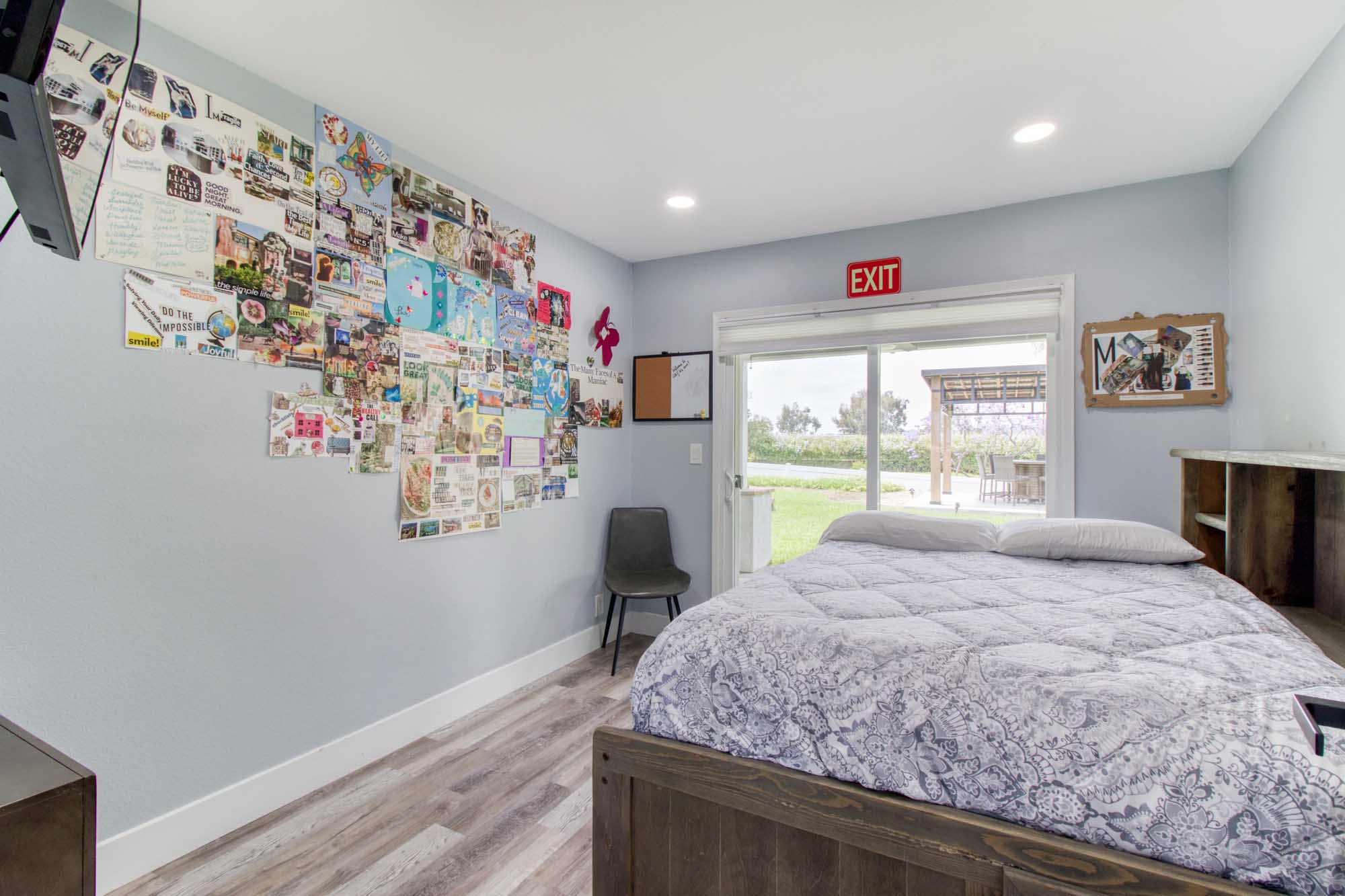
Collage — the selection, arrangement, and combination of existing images and materials — allows for expression through curation and juxtaposition. For clients who find blank-page creation intimidating, collage offers a lower-threshold entry into image-based expression with significant clinical depth. The act of choosing what belongs together maps directly onto recovery's central questions.
Sculpture & Clay Work
Three-dimensional, tactile creative work engages the body in the therapeutic process — adding the sensory, somatic dimension that drawing and painting do not. Working with clay is particularly effective for clients with trauma histories, providing a physically grounding, sensory-regulating creative experience. The malleability of clay carries powerful therapeutic metaphors for recovery.
Visual Journaling
Visual journaling combines image-making with written reflection — creating a personal record of the recovery process that captures what words alone miss. The ongoing visual journal becomes a therapeutic artifact: a tangible record of the client's inner landscape across the course of treatment, available for reflection and the experience of witnessing one's own progression through recovery.
Mandala & Structured Imagery
Structured image-making — including mandala work and other contained symbolic forms — provides a bounded creative container that is particularly effective for clients who need more structure and safety in the creative process. Mandala work is documented in the research literature as effective for reducing anxiety and supporting emotional regulation.
Group Art Therapy
Art therapy in a group format adds the relational and social dimensions of group therapy to the expressive dimensions of art-making — combining peer connection, shared witness, and collaborative creative experience. Group art therapy is particularly effective for reducing isolation and building authentic peer connection through a non-verbal, creative medium.
What Art Therapy Reaches That Talk Therapy Cannot
Art therapy and talk therapy are complementary — not competing — modalities. Select each dimension to understand what art therapy uniquely accesses in addiction and mental health recovery.

Why Art Therapy Works — The Clinical Foundation
Art therapy's clinical effectiveness is grounded in neuroscience, trauma research, and a growing body of evidence from addiction treatment settings. Its value is not intuitive or anecdotal — it is mechanistic and well-documented.
- Right-brain access: Trauma and emotional distress are stored in right-hemisphere, non-verbal processing systems. Art therapy engages these systems directly — accessing material that left-brain, language-based therapy cannot reach without the creative bridge
- Externalization: Creating a physical representation of an internal state — however abstract — produces psychological distance from the material. This distance allows the client to observe, consider, and begin to process material that felt too overwhelming to approach directly
- Dual attention: Art therapy engages both hemispheres of the brain simultaneously — creative, image-based right-brain processing and the reflective, meaning-making capacity of the left brain. This bilateral engagement is one of the mechanisms shared with EMDR, and partly explains both modalities' effectiveness with trauma
- Affect regulation: The focused, repetitive, sensory nature of art-making is inherently regulating for a dysregulated nervous system. Drawing, painting, and working with clay engage the body in a contained, purposeful activity that reduces arousal and supports the window of tolerance within which therapeutic work is possible
- Meaning reconstruction: Recovery requires rebuilding a narrative about who you are and who you are becoming. Art therapy supports this meaning reconstruction through image and symbol, which carry narrative capacity that complements and extends what verbal therapy provides
What Art Therapy Builds in Addiction & Mental Health Recovery
Art therapy builds specific, clinically meaningful capacities that addiction erodes and recovery requires.
The ability to identify, name, and communicate emotional experience — built through the creative process of externalizing internal states through image and then developing verbal language to describe what was made.
The ability to tolerate and modulate difficult emotional states without substances — built through the regulating experience of focused, sensory creative engagement and the experience of moving through emotional intensity via the creative process.
The capacity to hold and process shame without being destroyed by it — built through the indirect, image-based approach to shameful material that reduces the shame's intensity while still processing its content.
The recovery of a voice — the experience of having something to say and the capacity to say it. Art therapy restores the expressive dimension of selfhood that addiction suppresses, rebuilding the sense of a self that exists, has experiences, and has something worth expressing.
A rebuilt sense of who the client is beyond addiction — constructed through the ongoing process of creative self-expression, aesthetic choice, and the discovery of what they have to say and how they want to say it.
Research consistently shows that art therapy increases overall treatment engagement — including in clients who are ambivalent about or resistant to traditional therapy formats. The creative entry point lowers the threshold to therapeutic participation, drawing clients into the treatment process in a more accessible way.
What Makes Our Art Therapy Program in Orange County Different
Coordinated with the Full Treatment Plan
Art therapy at California Care Recovery is not a standalone activity. It is coordinated with individual therapy, EMDR, and trauma-informed care — ensuring what emerges in art therapy sessions is clinically processed and integrated into the full arc of treatment.
No Artistic Skill Required
Artistic ability has no bearing on therapeutic outcome. Art therapy at California Care Recovery is structured so that every client — regardless of creative background or self-assessed ability — can engage fully and benefit clinically from the process.
Safe for Complex Trauma Histories
All art therapy at California Care Recovery is conducted within a trauma-informed framework — ensuring the creative process never moves faster than the client's window of tolerance and that every session prioritizes safety and clinical appropriateness.
Facilitated by Trained Therapists
Art therapy sessions at California Care Recovery are facilitated by trained clinicians who understand both the creative process and its therapeutic dimensions — ensuring each session has clinical depth and therapeutic intention, not merely creative activity.
Part of a Broader Experiential Program
Art therapy is one component of California Care Recovery's comprehensive experiential treatment approach — which includes adventure therapy, equine therapy, and horticultural therapy.
Matched to Your Clinical Goals
The specific art therapy modalities and session focus are matched to each client's individual clinical presentation and treatment goals — ensuring the creative work is always in service of the specific recovery outcomes each client is working toward.
Art Therapy in Orange County: Your Questions Answered
Related Therapy Programs at California Care Recovery
Start Art Therapy in Orange County
Our admissions team is available 24/7 to answer your questions, verify your insurance, and help you take the next step toward treatment.