
Borderline Personality Disorder (BPD) is a complex mental health condition characterized by severe emotional dysregulation, rapid mood shifts, a pervasive fear of abandonment, chronic feelings of emptiness, and turbulent interpersonal relationships. For many individuals living with BPD, traditional talk therapy alone can sometimes feel overwhelming. When intense emotions hijack the central nervous system, verbally processing past trauma or analyzing behavioral triggers can lead to emotional overload or defensive shutdown.
To achieve lasting emotional stability, treatment must reach beyond verbal conversation and address how trauma and distress live in the body.
Equine Assisted Psychotherapy (EAP) is an evidence-based, experiential modality that bridges cognitive therapy with real-time somatic awareness. By engaging in structured, ground-based interactions with horses, individuals with Borderline Personality Disorder can practice emotional regulation, build healthy boundaries, and develop relational trust in a safe, non-judgmental environment.
At California Care Recovery in Orange County, California, clinically supervised equine therapy is medically reviewed and integrated into our comprehensive mental health and dual diagnosis programs to support deep, sustainable healing.
What Is Equine Assisted Psychotherapy?
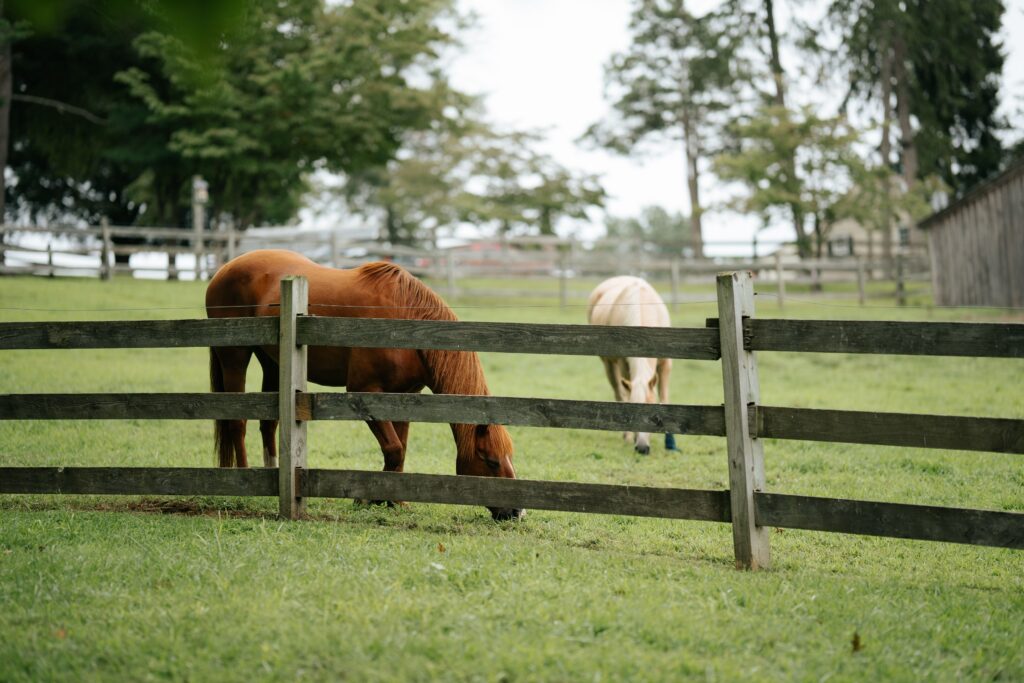
Equine Assisted Psychotherapy is a clinically supervised, experiential treatment modality where structured interactions with horses are used to facilitate emotional healing, trauma processing, and behavioral growth.
It is important to understand that equine therapy at California Care Recovery is entirely ground-based—there is no horse riding involved, and no prior experience with horses is required. Clients work alongside trained horses in an open arena under dual clinical oversight. Every single session is facilitated by both a licensed mental health professional and a certified equine specialist to ensure safety, emotional support, and clinical direction.
Rather than serving as a recreational activity, equine therapy is woven directly into a client’s individualized residential, partial hospitalization (PHP), or intensive outpatient (IOP) treatment plan.
Why Are Horses Unique Partners in Treating Borderline Personality Disorder?
Horses possess a unique biological design that makes them exceptionally effective therapeutic partners for individuals navigating BPD, trauma, and emotional volatility.
1. The Nervous System Mirror
As prey animals, horses have evolved over millions of years with a hyper-attuned nervous system capable of sensing minute changes in their environment. They instantly detect human body language, muscle tension, breathing rates, and subtle shifts in autonomic arousal. If a person enters the arena projecting outward composure while experiencing internal panic or anger, the horse senses this incongruence immediately and reacts to the unspoken emotion. This provides clients with immediate, honest feedback about their internal state.
2. Non-Judgmental Acceptance
Individuals with Borderline Personality Disorder frequently carry intense feelings of shame and a hyper-awareness of perceived rejection or criticism from other people. Horses do not care about a person’s past mistakes, clinical diagnosis, or social status. They respond purely to authentic, present-moment energy. Experiencing a horse’s calm acceptance helps dissolve emotional barriers and dismantle deep-seated fears of unworthiness.
3. Immediate, Non-Verbal Feedback
Because horses do not speak, all communication in the arena is non-verbal. This forces clients to step out of intellectual overthinking and become aware of their somatic presence—their posture, tone of voice, energy level, and physical boundaries.
You May Also Enjoy: How Does Equine Therapy for PTSD Calm a Dysregulated Nervous System?
How Does Equine Therapy Specifically Address BPD Symptoms?
Equine Assisted Psychotherapy directly targets the core clinical challenges associated with Borderline Personality Disorder.
Developing Real-Time Emotional Regulation
Severe emotional dysregulation is a hallmark of BPD. In an equine session, if a client becomes dysregulated, anxious, or agitated, the horse may step away or show signs of restlessness. Under the guidance of the therapist, the client learns to use breathwork, somatic grounding, and mindfulness techniques to settle their central nervous system. As the client’s internal state calms, the horse naturally draws closer. This immediate feedback loop teaches clients that they have the internal power to regulate their emotions in real time.
Mastering Healthy Boundaries
Individuals with BPD often struggle with boundary development, fluctuating between overly permeable boundaries (pleasing others, fearing rejection) and overly rigid boundaries (pushing people away aggressively). Guiding a 1,200-pound animal requires clear, consistent, and calm boundaries. If a client is too passive, the horse will ignore their direction; if a client is overly aggressive, the horse will resist or retreat. The arena becomes a living laboratory where clients learn to assert healthy, firm, and respectful boundaries without resorting to anger or fear.
Healing the Fear of Abandonment and Attachment Trauma
Fear of abandonment frequently drives impulsive behaviors and relationship distress in BPD. Building a bond with a horse allows clients to experience safe attachment. Learning that a horse can walk away briefly and return calmly helps reframe perceived abandonment, teaching the client that physical space does not mean emotional rejection.
Processing Trauma Without Reliving It
Research highlights the strong connection between childhood trauma, PTSD, and the development of BPD. Studies published in BMC Psychiatry confirm that equine-assisted services produce significant reductions in PTSD severity scores, showing an average 22.6% reduction in PTSD severity across peer-reviewed evaluations. Because equine therapy engages the body somatically through movement and rhythm, clients can process unresolved traumatic stress without having to verbally recount painful memories.
Healing from Borderline Personality Disorder requires more than just talking about your pain—it requires experiencing emotional safety and connection in real time. Contact the compassionate admissions team at California Care Recovery today to discover how our equine-assisted psychotherapy and specialized mental health programs in Orange County can support your recovery.
Combining Equine Therapy with Dialectical Behavior Therapy (DBT)
Dialectical Behavior Therapy (DBT) is widely recognized as the gold-standard psychological treatment for Borderline Personality Disorder. Equine Assisted Psychotherapy acts as a powerful practical accelerator for the four core skill modules of DBT:
- Mindfulness: Clients must remain fully present in the moment, paying close attention to their breath, body sensations, and the horse’s non-verbal cues.
- Distress Tolerance: When a horse does not immediately move or respond as desired, clients practice sitting with frustration or uncertainty without reacting impulsively.
- Emotion Regulation: Clients actively adjust their internal nervous system arousal to invite connection and cooperation from the horse.
- Interpersonal Effectiveness: Clients practice clear communication, assertiveness, and mutual respect, translating these skills directly into human relationships.
Clinically Supervised Equine Therapy at California Care Recovery in Orange County
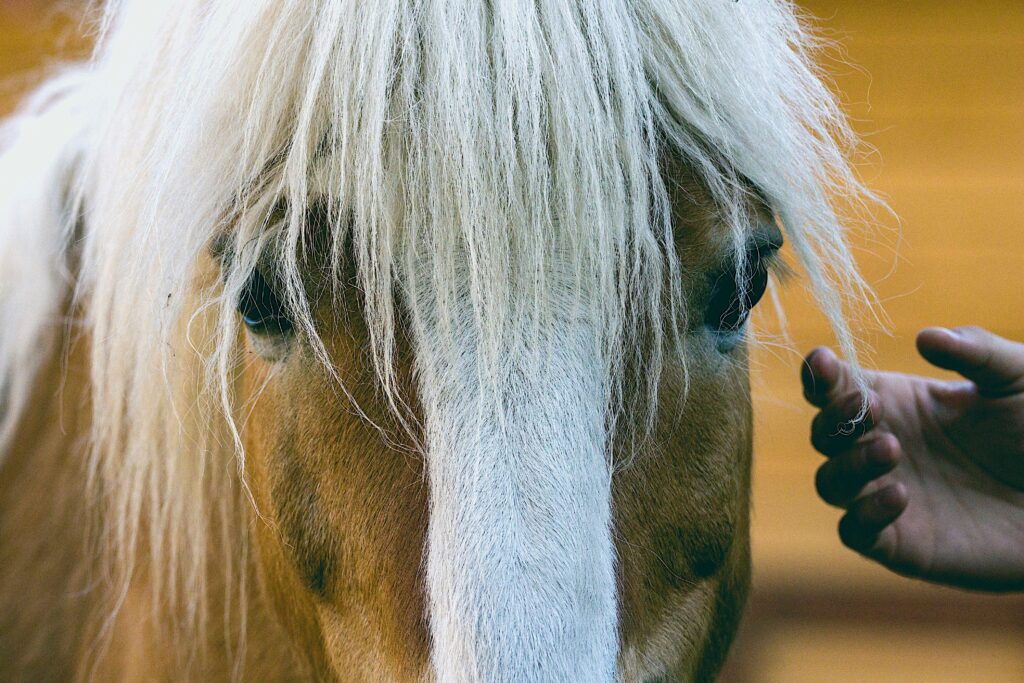
At California Care Recovery, our clinically supervised equine therapy program in Orange County is grounded in trauma-informed care principles. Medically reviewed by Board-Certified Psychiatrist and Addiction Medicine Specialist Dr. R. Jordan Turner, DO, our equine sessions are designed to deliver targeted therapeutic outcomes.
What to Expect During a 90-Minute Session
- Clinical Check-In: The therapist meets with the client to set intentions, review clinical treatment goals, and evaluate emotional readiness.
- Safety Orientation: The client is introduced to the arena, the equine specialist, safety protocols, and the horses.
- Guided Equine Engagement: Structured, ground-based exercises take place, such as grooming, leading the horse through obstacles, or observing herd dynamics.
- Therapist-Led Reflection: The licensed clinician guides the client in processing what arose during the activity, connecting the horse’s responses to personal life patterns and BPD triggers.
- Integration & Documentation: The session concludes with somatic grounding exercises, and clinical observations are integrated directly into the client’s broader master treatment plan.
By combining equine therapy with individual psychotherapy, Cognitive Behavioral Therapy (CBT), Eye Movement Desensitization and Reprocessing (EMDR), Internal Family Systems (IFS), and 24/7 medical oversight, California Care Recovery provides a comprehensive sanctuary for lasting recovery.
You May Also Enjoy: What Are the Benefits of Equine Therapy for Severe Depression?
Starting Equine Therapy for Borderline Personality Disorder.
Living with Borderline Personality Disorder can feel like an endless cycle of emotional turbulence and relationship distress, but healing is entirely possible with the right clinical support. Equine Assisted Psychotherapy offers a transformative pathway beyond traditional talk therapy, giving you the real-time tools to regulate your emotions, build firm boundaries, and restore peace to your nervous system.
If you or a loved one are ready to experience compassionate, evidence-based mental health treatment in Orange County, contact California Care Recovery today at (949) 281-7823 to speak with our 24/7 admissions team and schedule a confidential assessment.
Frequently Asked Questions (FAQ)
Does equine therapy for Borderline Personality Disorder involve riding horses?
No. Equine Assisted Psychotherapy at California Care Recovery is strictly ground-based. There is no riding involved. All therapeutic progress occurs through structured, guided interactions on the ground, such as grooming, leading, and observing horse behavior in an open arena.
Do I need prior experience with horses to participate in equine therapy?
No prior experience with horses is necessary. Our certified equine specialists and licensed therapists guide you through every step, ensuring you feel completely safe, comfortable, and supported regardless of your familiarity with animals.
Is Equine Assisted Psychotherapy medically proven to help with BPD and trauma?
Yes. Clinical studies show that equine-assisted therapy significantly reduces PTSD severity, anxiety, and emotional dysregulation. When integrated with evidence-based modalities like Dialectical Behavior Therapy (DBT), EAP provides a proven, body-centered framework for managing BPD symptoms.
Does health insurance cover equine therapy for mental health in California?
When equine-assisted psychotherapy is integrated as part of an accredited residential, Partial Hospitalization Program (PHP), or Intensive Outpatient Program (IOP) mental health treatment plan, it is typically covered under behavioral health insurance benefits. California Care Recovery provides free, fast, and confidential insurance verification to explain your coverage options.
If intense emotional volatility or co-occurring challenges are impacting your life and relationships, structured residential care can provide the sanctuary you need. Reach out to California Care Recovery in Huntington Beach, CA, to learn how our integrative mental health treatments can help you restore balance and lasting peace.




