Know someone who needs help but can’t afford it? The Care Forward Scholarship may be able to help. Learn More →

Dialectical Behavior Therapy (DBT) in Orange County, CA | California Care Recovery
Evidence-Based Therapy — Orange County, CA

Dialectical Behavior Therapy (DBT) in Orange County, California

DBT builds the emotional regulation, distress tolerance, and interpersonal skills needed to manage cravings, difficult emotions, and relational triggers — without substance use. Available as part of individualized treatment at California Care Recovery in Orange County.

SAMHSA Recommended Addiction-Adapted DBT Protocol Individual & Group Skills Dual Diagnosis Capable Same-Day Admissions
This content is medically reviewed by Dr. R. Jordan Turner, DO — Board-Certified Psychiatrist and Addiction Medicine Specialist at California Care Recovery.
DBT skills group session at California Care Recovery in Orange County
Overview

What Is Dialectical Behavior Therapy (DBT)?

Dialectical Behavior Therapy (DBT) is a structured, evidence-based psychotherapy developed by Dr. Marsha Linehan at the University of Washington. DBT combines cognitive-behavioral techniques with acceptance-based strategies drawn from mindfulness — creating a uniquely balanced approach: change what can be changed, accept what cannot.

The word "dialectical" refers to the central balance DBT seeks to achieve — between acceptance and change, between validation and challenge. This dialectical stance is woven through every component of DBT and makes it particularly effective for individuals who feel that traditional therapy either pushes too hard for change or doesn't provide enough practical tools.

DBT is the most evidence-supported therapy for borderline personality disorder and is highly effective for substance use disorders, co-occurring conditions, and any presentation where emotional dysregulation is a central feature.

The Four Skill Modules

The Four Core DBT Skill Modules

Developed by Dr. Marsha Linehan at the University of Washington — the foundation of all DBT programming.

DBT is organized around four skill modules — each targeting a different dimension of emotional and behavioral functioning. All four are taught in DBT skills groups and practiced in individual therapy.

1

Mindfulness

The foundation of all DBT skills

Observing thoughts, emotions, and sensations without judgment
Participating fully in the present moment
Describing internal experience accurately and non-reactively
Wise mind — balancing rational and emotional mind
2

Distress Tolerance

Surviving crises without making them worse

TIPP skills — Temperature, Intense exercise, Paced breathing, Paired muscle relaxation
ACCEPTS — distraction techniques for crisis survival
Radical acceptance of reality as it is, not as we wish it were
Urge surfing — riding cravings without acting on them
3

Emotional Regulation

Understanding and changing emotional responses

Identifying and labeling emotions accurately
Reducing vulnerability to emotional dysregulation (PLEASE skills)
Opposite action — acting opposite to emotion-driven urges
Building positive experiences and mastery
4

Interpersonal Effectiveness

Navigating relationships assertively

DEAR MAN — assertive communication and goal-setting in relationships
GIVE — maintaining relationships while getting needs met
FAST — maintaining self-respect in interactions
Setting and maintaining healthy boundaries
Clients engaging in DBT group programming at California Care Recovery Orange County
Clinical Applications

Conditions DBT Treats at California Care Recovery in Orange County

DBT's skill-based structure makes it effective across a broad range of conditions — particularly those where emotional dysregulation, impulsivity, or relational instability are central features.

Borderline Personality Disorder

DBT was developed specifically for BPD and remains the most evidence-supported treatment for this diagnosis

Substance Use Disorders

DBT-SUD addresses the emotional dysregulation and impulsivity driving addiction, with urge surfing and dialectical abstinence strategies

Co-Occurring Disorders

DBT skills address both mental health and substance use simultaneously — making it a cornerstone of dual diagnosis treatment

Depression & Anxiety

Emotional regulation and behavioral activation skills directly address the patterns maintaining depression and anxiety

PTSD

DBT distress tolerance skills build the emotional regulation foundation needed before intensive trauma processing and EMDR can begin

Emotional Dysregulation

DBT is the most directly targeted therapy for pervasive emotional dysregulation regardless of primary diagnosis — applicable across most clinical presentations at CCR

DBT for Addiction

DBT-SUD: Dialectical Behavior Therapy Adapted for Substance Use Disorder

Standard DBT was adapted specifically for substance use disorders — called DBT-SUD — with additional strategies targeting the unique challenges of addiction.

DBT-SUD Core Strategies

  • Dialectical abstinence — balancing commitment to abstinence with compassionate relapse response
  • Urge surfing — observing cravings as waves that rise and fall without acting on them
  • Burning bridges — removing access to substances and substance-using social networks
  • Building new life worth living — creating reinforcing alternatives to substance use
  • Drug refusal skills — assertive, practiced responses to social triggers and peer pressure

Why DBT-SUD Works

  • Most substance use is driven by attempts to regulate overwhelming emotions — DBT builds that capacity directly
  • Impulsivity is a core driver of relapse — distress tolerance skills interrupt impulsive behavioral responses
  • Relational triggers drive much of substance use — interpersonal effectiveness skills build healthier responses
  • Shame and self-criticism after relapse fuel continued use — DBT's acceptance stance interrupts that cycle
Why California Care Recovery

What Makes Our DBT Program in Orange County Different

Structured

Full DBT Model — Not Just Techniques

California Care Recovery implements the full DBT model including individual therapy, skills group, and clinical consultation — not isolated DBT techniques applied ad hoc.

Addiction-Adapted

Addiction-Adapted DBT Programming

Our DBT programming for addiction is informed by DBT-SUD principles — incorporating urge surfing, dialectical abstinence, and strategies targeting the emotional dysregulation that drives substance use.

Dual Diagnosis

Mental Health + Addiction Together

DBT is integrated into our dual diagnosis programming — addressing co-occurring conditions with the same skill set applied to both dimensions simultaneously.

Integrated

Coordinated With Other Modalities

DBT works alongside CBT, EMDR, and equine therapy in your individualized treatment plan — not applied in isolation.

Individual & Group

Both Formats Available

DBT at California Care Recovery includes both individual DBT therapy and structured DBT skills groups — the combination that produces the strongest outcomes in clinical research.

Practical

Skills That Transfer to Daily Life

Every DBT skill is practiced, rehearsed, and applied to real-life situations — ensuring clients leave treatment with a concrete toolkit, not just theoretical knowledge.

Interactive Tool

What Are You Struggling With? Find the DBT Skills That Help.

DBT builds specific, practical skills for specific struggles. Select what you're dealing with and see which DBT module addresses it — and exactly what tools it gives you.

Frequently Asked Questions

DBT in Orange County: Your Questions Answered

Dialectical Behavior Therapy (DBT) is an evidence-based, skills-based psychotherapy developed by Dr. Marsha Linehan at the University of Washington. DBT combines cognitive-behavioral techniques with mindfulness principles and teaches four core skill sets: mindfulness, distress tolerance, emotional regulation, and interpersonal effectiveness.
DBT was originally developed for borderline personality disorder (BPD) and is the most evidence-supported treatment for that diagnosis. It is also highly effective for substance use disorders, co-occurring disorders, self-harm, suicidal ideation, PTSD, depression, and anxiety — particularly when emotional dysregulation is a central feature.
DBT addresses addiction by building the emotional regulation, distress tolerance, and mindfulness skills needed to manage cravings and difficult emotions without substance use. The DBT-SUD adaptation specifically targets emotion dysregulation and impulsivity that drive substance use, alongside urge surfing techniques and dialectical abstinence strategies.
DBT teaches four core skill modules: (1) Mindfulness — developing present-moment awareness and non-judgmental observation; (2) Distress Tolerance — surviving crisis situations without making them worse; (3) Emotional Regulation — understanding, labeling, and changing emotional responses; (4) Interpersonal Effectiveness — navigating relationships, setting boundaries, and communicating assertively.
Yes. DBT has extensive evidence across hundreds of randomized controlled trials. It is recommended by SAMHSA, the VA/DoD, and the National Institute of Mental Health for BPD, suicidal behavior, and co-occurring disorders. A 2006 RCT by Linehan et al. found 77% of BPD patients no longer met diagnostic criteria after one year of standard DBT treatment.
CBT focuses primarily on identifying and changing distorted thought patterns. DBT was developed from CBT but adds structured skills training in emotional regulation, distress tolerance, and interpersonal effectiveness — making it particularly suited for emotional dysregulation and BPD. At California Care Recovery, both are used and often integrated into the same treatment plan.
Yes. DBT at California Care Recovery is integrated into dual diagnosis treatment for clients with co-occurring mental health and substance use conditions. The DBT skill sets — particularly distress tolerance and emotional regulation — are directly applicable to managing both mental health symptoms and addiction triggers simultaneously.
In Orange County addiction and mental health treatment, DBT builds emotional regulation skills, distress tolerance strategies, mindfulness practices, and interpersonal effectiveness tools — reducing the emotional dysregulation that drives both substance use and mental health crises. California Care Recovery integrates DBT into individualized treatment plans for residential and outpatient clients in Orange County.

Start DBT Treatment in Orange County

Our admissions team is available 24/7 to answer your questions, verify your insurance, and walk you through next steps.
SAMHSA Recommended Full DBT Model Addiction-Adapted DBT Protocol Dual Diagnosis Capable Open 24/7
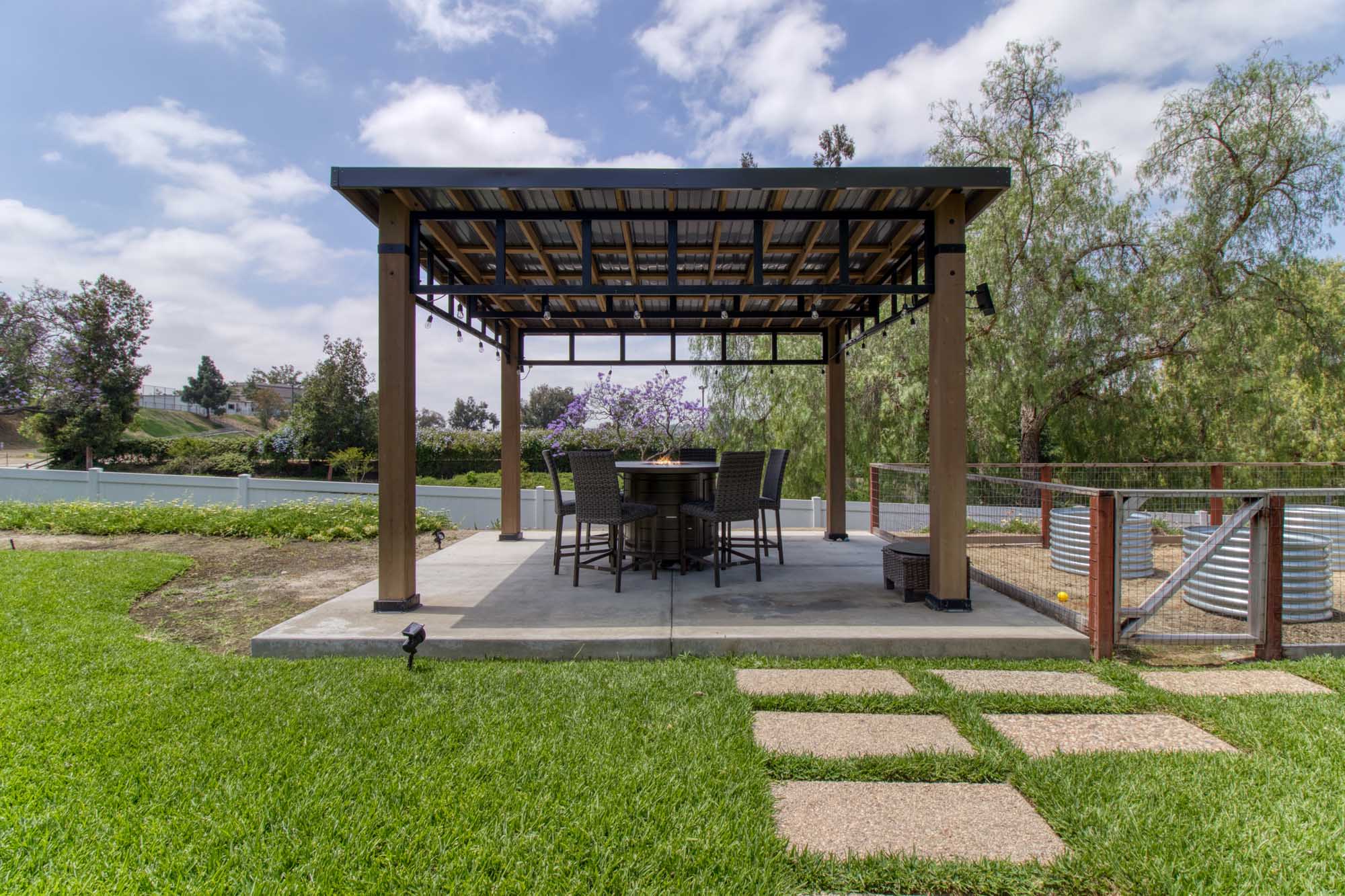
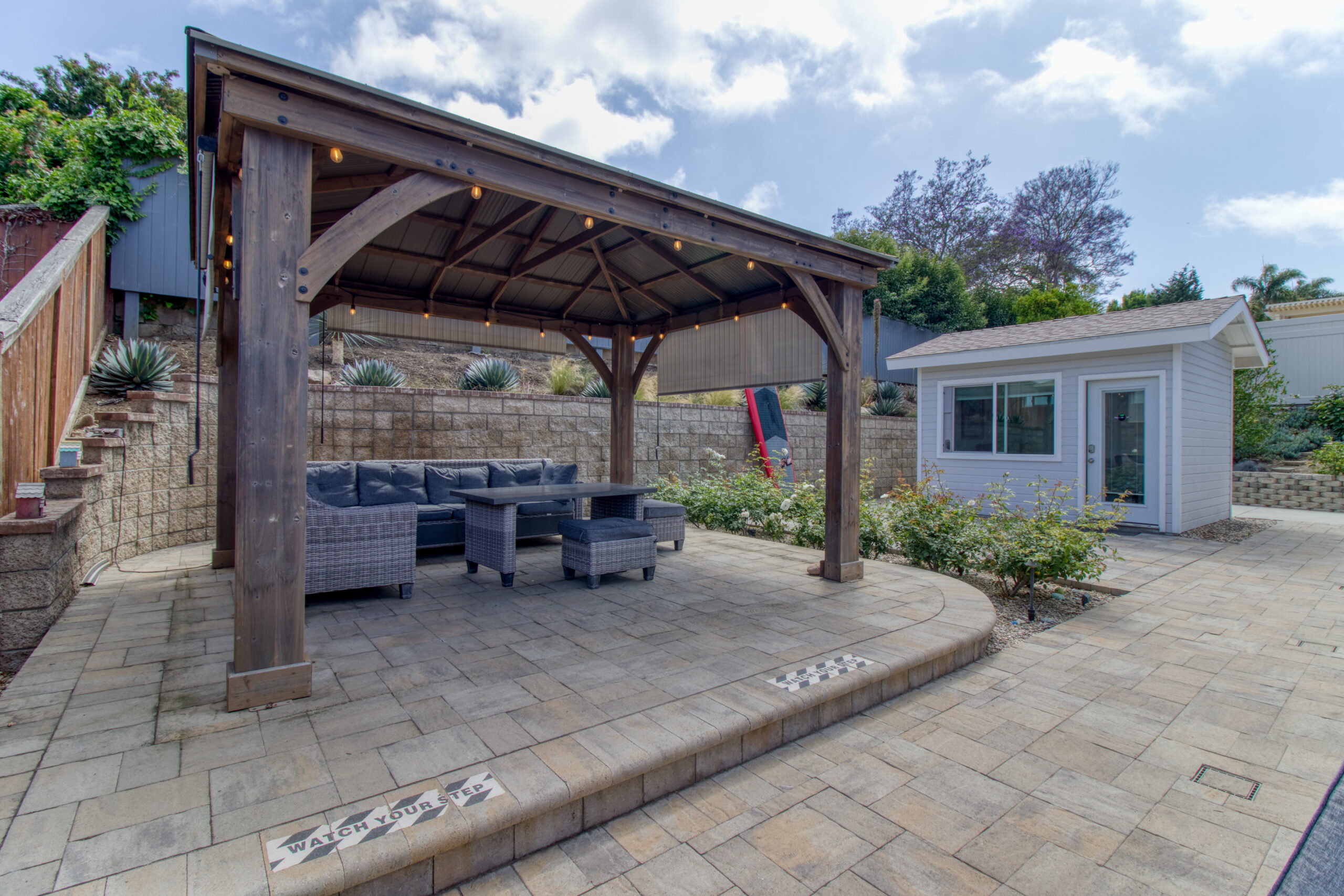
Outdoor lawn and seating area at the Aracena detox Residence.

Patients Choose California Care Recovery

Posted on Google Google
Dylan McShera profile picture
Dylan McShera
Google star 1Google star 2Google star 3Google star 4Google star 5Trustindex verifies that the original source of the review is Google.
This is truly the only residential treatment center that I actually felt a part of the family and I've been to over 10 places. They made me feel welcome from the start and the staff is loving and caring. I couldn't ask for a better experience and I would give it a chance if you want to stay sober. This is the best place to be if you really want this. Peace & love<3
Posted on Google Google
Melissa Castaldo profile picture
Melissa Castaldo
Google star 1Google star 2Google star 3Google star 4Google star 5Trustindex verifies that the original source of the review is Google.
California Care provided excellent service. The team helped me navigate through the treatment process when my husband needed help. They communicated with me throughout the entire process which gave me peace of mind during a scary and stressful time for my family. They took our insurance and made the process as easy as possible. I have nothing but good things to say about California Care.
Posted on Google Google
Pablo Chavez profile picture
Pablo Chavez
Google star 1Google star 2Google star 3Google star 4Google star 5Trustindex verifies that the original source of the review is Google.
Look no further, this recovery program is the best! Jason, Holly, Myles and staff make the experience as good as it gets. In terms of treatment, California Care is, hands down, the best in the business.
Posted on Google Google
Ashley Hardegree profile picture
Ashley Hardegree
Google star 1Google star 2Google star 3Google star 4Google star 5Trustindex verifies that the original source of the review is Google.
Best treatment center ever I have never worked in a better sober environment in my life. My co-workers and boss are the most caring and compassionate people I’ve ever worked around! ❤️‍🔥☺️
Posted on Google Google
Tim G profile picture
Tim G
Google star 1Google star 2Google star 3Google star 4Google star 5Trustindex verifies that the original source of the review is Google.
My experience here was a good one, the detox house was modern and comfortable, the staff is nice and genuinely interested in the success of their clients, and the outings/activities are better than other detoxes like going to the movies, beach outings, and AA, NA, and CA meetings regularly. My only complaint is that in my experience some of the outings were unprepared prior which lead to some improvising and running in circles
Posted on Google Google
Stacie McLean-Rhodehamel profile picture
Stacie McLean-Rhodehamel
Google star 1Google star 2Google star 3Google star 4Google star 5Trustindex verifies that the original source of the review is Google.
This is a review from a mothers perspective regarding California Care. They have been absolutely phenomenal to work with regarding my sons care and have worked tirelessly to get insurance to cover the treatment deemed necessary for his success in recovery. Hollly provided me with updates every step of the way and it never felt like I was "bothering" them. Thank you Holly for being on our team when the world of insurance was fighting against us. Prior to California Care, when looking at facilities to treat my son, I was distracted by the location and the facility pictures. Please don't make the same mistake I did and get it right the first time. This is one of the places that even my son has agreed with me that the staff are very caring and very nice. He actually likes them and wanted to do residential. Any mothers in my situation would know that this is a sign of hope or the right place. I just happen to think this is both and the turning point. To the people and staff at CCR - Keep doing what you are doing. You are giving people not only a chance but hope. I cannot thank you enough. To Jason, they owner, CCR is not like the others... stay that way.
Posted on Google Google
Scott Page profile picture
Scott Page
Google star 1Google star 2Google star 3Google star 4Google star 5Trustindex verifies that the original source of the review is Google.
I can’t say enough great things about California Care. I came in here completely broken. They take great care of you in the detox process and have beautiful, clean facilities. During residential, you’ll learn about the disease, ways to cope, get taken to meetings, fed great meals and how to live a life of sobriety. The staff is outstanding. I owe a lot to California Care. Thank you!

Curious about California Care Recovery? Take your time to explore.

Browse our digital flipbook to discover our unique treatment programs, compassionate care philosophy, and the personalized experience that sets us apart. Save it for later or share it with someone you care about. Want quick access on your phone? Tap here to text yourself the link.

California Care Recovery Flipping Book